In our modern lives, where we often spend most of our time indoors, the quality of our indoor environments greatly influences our well-being. Biophilic design is a concept that integrates natural elements into indoor spaces, enhancing physical, emotional, and cognitive health.
Understanding Biophilic Design
Biophilic design is based on the idea of biophilia, which is the innate human connection to nature. This approach brings elements such as plants, natural light, water features, and organic materials into indoor settings. The goal is to create environments that mirror the natural world, offering nature’s benefits even within urban or indoor settings.
Physical Health Benefits
One major advantage of biophilic design is its positive effect on physical health. Introducing natural elements into your indoor environment can improve air quality, promote physical activity, and contribute to overall health.
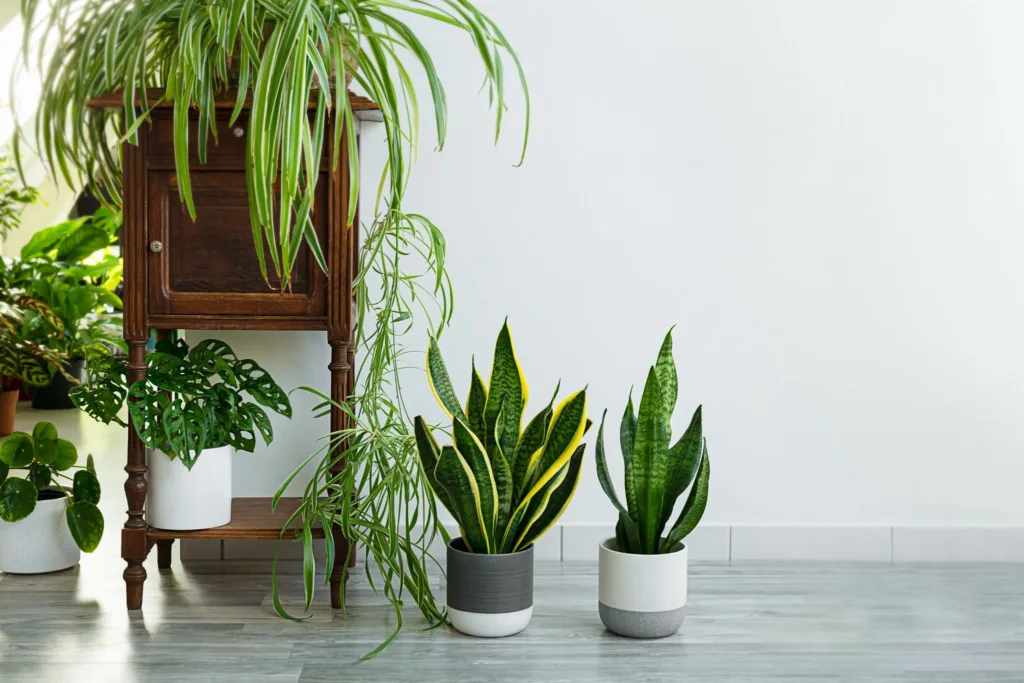
• Improved Air Quality: Plants play a crucial role in biophilic design by purifying the air. For example, peace lilies and spider plants can filter out toxins like formaldehyde and benzene, leading to cleaner air and reducing respiratory issues and allergies.
• Increased Physical Activity: Spaces designed with natural elements can encourage movement. Features like indoor gardens and green walls create inviting environments that make you want to walk and explore, promoting physical activity.
Emotional Health Benefits
Biophilic design also significantly boosts emotional well-being. Natural elements have been shown to reduce stress, improve mood, and enhance overall mental health.
• Stress Reduction: Even indoor exposure to nature can have a calming effect. Research shows that natural elements can lower cortisol levels, reducing stress and anxiety. The presence of plants, natural light, and water features creates soothing spaces that help you relax.
Cognitive Health Benefits
Biophilic design supports cognitive functions such as attention, creativity, and productivity. By engaging with natural elements, you can create environments that foster mental restoration and enhance cognitive performance.
Practical Applications
Incorporating biophilic design into your indoor spaces can be both simple and effective:
• Indoor Plants: Adding plants is one of the easiest ways to bring biophilic design into your space.
• Natural Light: Maximize exposure to natural light to enhance the benefits of your indoor environment.
• Natural Materials: Use materials like wood, stone, and bamboo to add warmth and texture.
• Water Features: Integrate features like fountains or small ponds to bring the soothing effects of water into your space.
• Organic Forms and Patterns: Design with curved lines and natural patterns to mimic the natural world.
By embracing biophilic design, you can transform your indoor environment into a healthier, more harmonious space. This approach not only enhances your physical and emotional well-being but also fosters a deeper connection to nature.