Imagine transforming your concrete surroundings into a vibrant oasis of greenery without ever leaving the city. Urban gardening is more than just a trend—it’s a practical way to infuse nature into your daily life and enhance your well-being. Whether you’re nurturing a few herbs on your balcony or cultivating a lush rooftop garden, bringing plants into urban spaces can provide a refreshing escape from the hustle and bustle while delivering a host of environmental and personal health benefits.
The Benefits of Urban Gardening
Environmental Impact: Urban gardens help to cool down city temperatures and improve air quality. Plants and soil naturally absorb rainwater, reducing the strain on urban drainage systems and minimizing flood risks. Additionally, these green spaces support local wildlife, creating habitats for birds, insects, and other creatures, which contributes to urban biodiversity.
Personal Health and Wellness: Gardening isn’t just good for the environment; it’s beneficial for you too. Engaging in gardening activities such as planting, weeding, and watering provides moderate-intensity exercise, enhancing strength, endurance, and flexibility. Mentally, tending to plants can lower stress, anxiety, and depression. The act of nurturing greenery offers a sense of accomplishment and calm, improving your overall mood and cognitive function.
Practical Tips for Urban Gardening
Starting small is a great way to begin urban gardening. You can start with a few potted plants on a balcony or windowsill. Herbs, succulents, and small flowering plants are ideal for beginners due to their minimal space and maintenance needs.
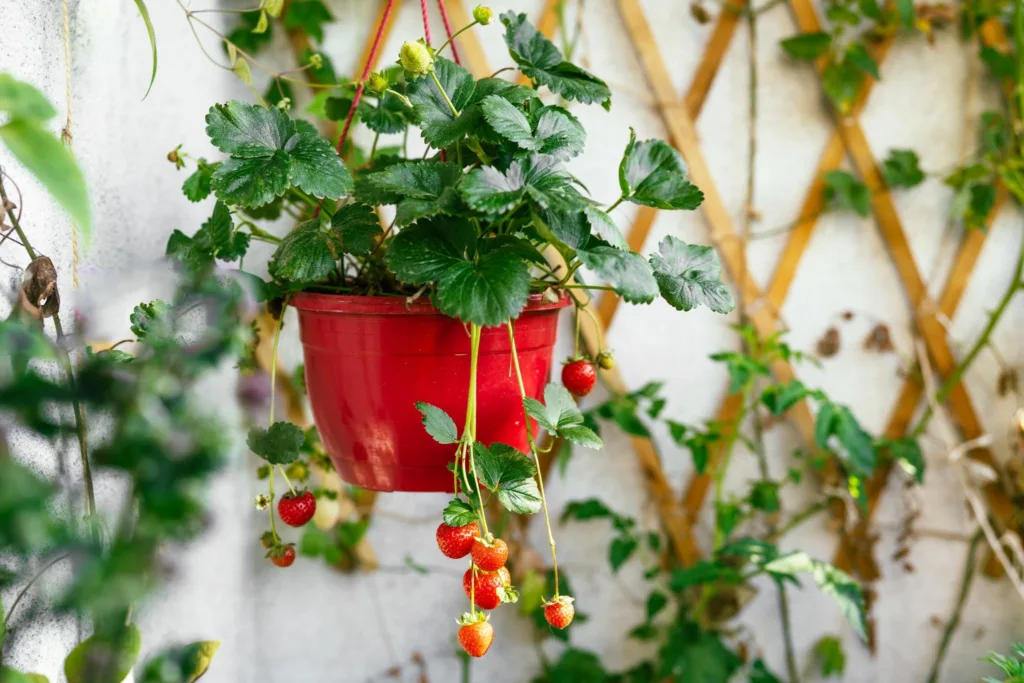
Make the most of your available space by using vertical gardening techniques, such as trellises or hanging planters. Rooftops, balconies, and even well-lit indoor areas can be transformed into lush, green spaces. When choosing plants, consider factors like climate, light conditions, and available space to ensure they thrive in your environment.
Sustainability should be at the heart of your gardening practices. Use organic soil, compost, and natural pest control methods to reduce environmental impact. Water conservation techniques, such as rainwater harvesting and drip irrigation, help manage resources efficiently. Additionally, recycling household waste into compost enriches the soil and reduces landfill waste.
The Bottom Line
Urban gardening is a practical way to reconnect with nature while enjoying the benefits of city life. It enhances environmental wellness by improving air quality, reducing heat, and supporting biodiversity. The rewards extend beyond the environmental benefits; engaging in urban gardening can lead to improved physical and mental health, making it a valuable addition to your urban lifestyle.