We live in a world brimming with unseen threats. From the air you breathe to the water you drink, environmental toxins are lurking, potentially impacting your health in profound ways. Recent discoveries about microplastics have only scratched the surface of this invisible danger.
These harmful substances can accumulate in your body over time, contributing to a range of health issues, from chronic diseases to developmental problems. But understanding the problem is the first step towards finding solutions. By making informed choices and adopting healthier habits, you can significantly reduce your exposure to these toxins and protect yourself and your family.
Let’s explore the challenges and discover practical steps you can take to create a healthier environment.
The Impact of Environmental Toxins on Health
The health effects of environmental toxins are far-reaching and can affect various systems within the body. One of the primary concerns with environmental toxins is their role in chronic diseases. Substances such as heavy metals (lead, mercury, cadmium), persistent organic pollutants (PCBs, dioxins), and endocrine-disrupting chemicals (BPA, phthalates) have been linked to conditions like cancer, cardiovascular disease, and diabetes. These toxins can interfere with cellular processes, cause oxidative stress, and disrupt hormonal balances, leading to a cascade of health issues.
Developmental and reproductive health are also significantly impacted by environmental toxins. Pregnant women and young children are particularly vulnerable.
Prenatal exposure to toxins like lead, mercury, and certain pesticides can result in developmental delays, cognitive impairments, and behavioral problems.
Endocrine disruptors can affect reproductive health by altering hormone function, which can lead to fertility issues, developmental abnormalities, and an increased risk of certain cancers.
Acute health problems related to environmental toxins include respiratory issues, skin irritations, and gastrointestinal disturbances. Airborne pollutants, such as particulate matter and volatile organic compounds (VOCs), can exacerbate asthma and other respiratory conditions.
Sources of Environmental Toxins
Understanding where environmental toxins come from is the first step in minimizing exposure. These toxins originate from industrial processes, agricultural practices, and consumer products.
Air pollution is a significant source of environmental toxins. Industrial emissions, vehicle exhaust, and burning fossil fuels release many harmful substances into the atmosphere, including particulate matter, sulfur dioxide, nitrogen oxides, and VOCs.
Household products like cleaning agents, paints, and building materials that emit VOCs can also compromise indoor air quality.
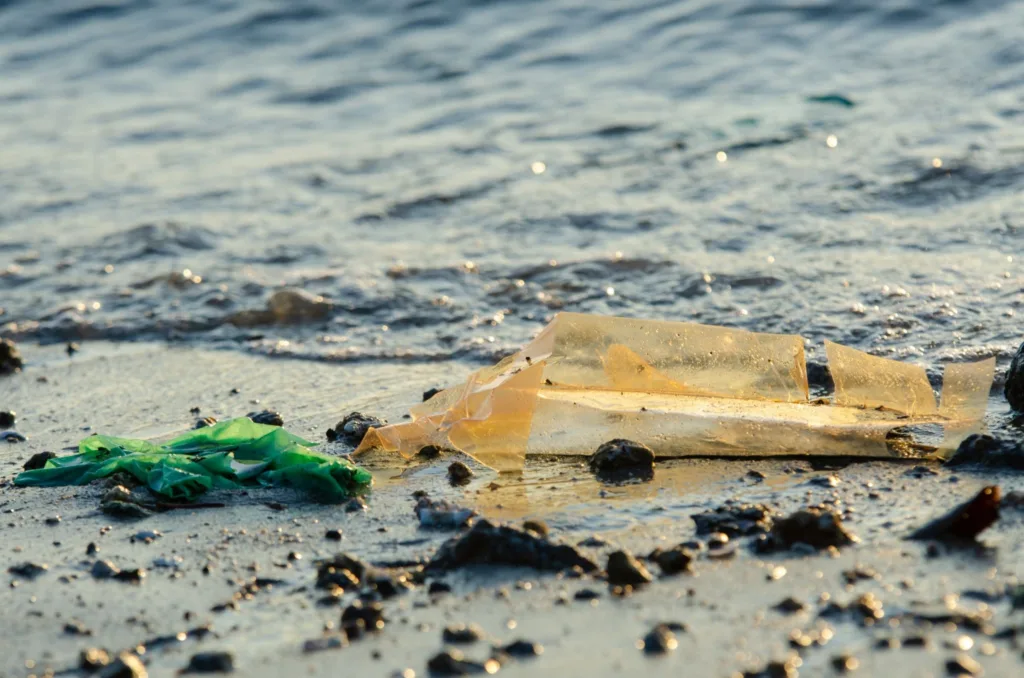
Water contamination is another major concern. Industrial discharges, agricultural runoff, and improper waste disposal can introduce heavy metals, pesticides, and other hazardous chemicals into water supplies. Water treatment cannot remove all the toxins, which is essential to understand.
Soil contamination occurs through the use of pesticides and fertilizers in agriculture, as well as from industrial waste and mining activities. These toxins enter the food chain and, thus, the body.
Additionally, plastics, personal care products, household cleaners, and furniture can contain harmful chemicals like BPA, phthalates, and flame retardants. These substances can leach out of products and be inhaled, ingested, or absorbed through the skin.
How to Minimize Exposure to Environmental Toxins?
Improving indoor air quality is crucial. This can be achieved by using air purifiers, ventilating homes regularly, and avoiding the use of products that emit high levels of VOCs. Choosing natural or low-VOC alternatives for cleaning supplies, paints, and building materials can significantly reduce indoor air pollution.
Water filters that can remove contaminants like heavy metals, chlorine, and pesticides are effective ways to purify tap water.
Opting for organic produce can minimize the intake of pesticides and herbicides. Washing fruits and vegetables can also help remove surface residues. Further, start cooking food and avoid processed foods.
Finally, the use of chemical-based products such as personal care, plastics, and more should be minimized. Education can also play a significant role in raising awareness.
The Bottom Line
By making conscious choices and advocating for change, you can significantly reduce your exposure to environmental toxins while protecting the health of future generations. Your actions today contribute to a healthier planet and a brighter tomorrow for everyone.